Logo
Get Estimate

Heat Pump Refrigerant Leak Detection and Repair McLean VA

Electronic leak detection, sealed lines, and verified charge before we leave


Heat Pump Refrigerant Leak Detection and Repair McLean VA is the service you call when your system runs long, blows lukewarm air, or ices over in heating mode. Our EPA-certified techs use electronic detectors and nitrogen pressure testing to pinpoint the leak, repair the line, and recharge to factory spec. We serve homeowners across McLean, Fairfax County, and Northern Virginia.

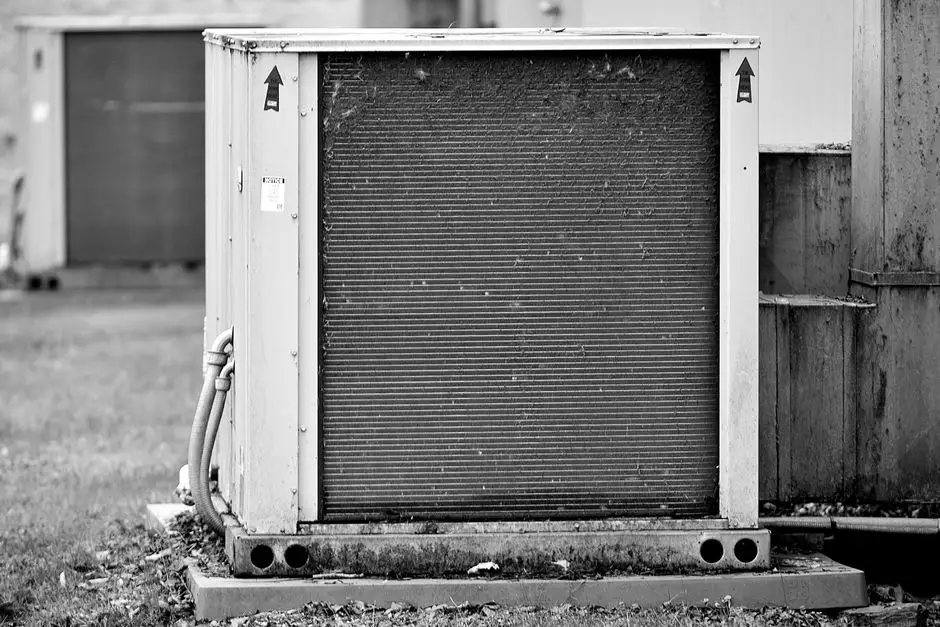
Close-up of an industrial HVAC unit outdoors, showcasing its metal texture.
Licensed Licensed & Bonded
Fully Insured Insured & Bonded
24/7 Emergency Same-Day Response
Warranty Backed Workmanship Guaranteed in McLean

What Our Leak Detection and Repair Includes

Every leak call includes a full diagnostic, not just a pressure reading. Here is what is covered in the standard service, and what gets quoted separately if your system needs it.

Full System Diagnostic

Manifold gauge readings, superheat and subcooling calculation, amp draw with a clamp meter, and a visual inspection of the indoor coil, outdoor coil, line set, and service valves. This is what tells us whether you actually have a leak or an airflow problem.

Electronic Leak Detection

We sweep every joint, flare, Schrader port, and brazed connection with an electronic leak detector. On lines we cannot reach, we use nitrogen pressure testing or UV dye to confirm the exact location before quoting a repair.

Refrigerant Recovery and Recharge

We recover remaining refrigerant with a recovery machine, repair the leak, pull a deep vacuum to 500 microns with a vacuum pump, and weigh in new R-410A or R-32 to the nameplate charge. Every ounce is documented.

Repair of Fittings and Valves

Schrader core replacement, flare re-cutting and torquing, brazed joint repair, and service valve resealing are all part of the standard repair when that is where the leak is. We use new copper where the old line is pitted or thin.

Post-Repair Verification

After recharge, we run the system in heating and cooling for 20 to 30 minutes and recheck pressures, superheat, subcooling, and amp draw. You get the final numbers on your invoice so you can see the repair held.

Heat Pump Refrigerant Leak Detection and Repair McLean VA


Heat Pump Refrigerant Leak Detection and Repair McLean VA is a diagnostic and mechanical service that finds where refrigerant is escaping, repairs the failed joint, coil, or Schrader port, then evacuates and recharges the system to the manufacturer's specified weight. Refrigerant does not burn off or wear out. If your charge is low, it leaked, and topping it off without finding the source just delays the next failure.

In McLean, most leaks we find trace back to vibration at flare fittings, formicary corrosion on indoor coils, or a failed Schrader valve on units that have never been pressure-tested. Homes near Chesterbrook and Salona Village with older Carrier and Trane systems tend to show pitted copper at the evaporator. If you are searching for heat pump refrigerant leak McLean VA near me, we can pressure-test the same day you call.

How Our Leak Detection Process Works

Five steps, one visit in most cases. Here is exactly what happens from the phone call to the final charge verification.

01

Schedule

Call or book online — a real human picks up and confirms a 2-hour arrival window.

02

Diagnose

Licensed tech inspects on-site, then walks you through the cause and your options.

03

Fix

The job is completed to code and done right the first time — no shortcuts, no surprises.

04

Guarantee

Every job backed by a written workmanship warranty — and we stand behind it.

Tools and Methods We Use

Tools & Equipment

Electronic Leak Detector

Heated-diode sensor that picks up refrigerant concentrations as low as a few parts per million. We sweep every joint, flare, and Schrader port with it before we quote a repair.

Manifold Gauge Set

Reads high-side and low-side pressures so we can calculate superheat and subcooling and confirm whether the charge is actually low or the problem is airflow or electrical.

Vacuum Pump

Pulls the system down to 500 microns after a repair. Skipping this step leaves moisture in the circuit, which forms acid and kills compressors. We hold the vacuum and document it.

Refrigerant Recovery Machine

Recovers R-410A and R-32 into a recovery cylinder instead of venting it, which is required under EPA Section 608 and keeps your system compliant.

Clamp Meter and Multimeter

Measures compressor, blower motor, and fan motor amp draw against the data plate, and tests capacitor, contactor, and control board function when symptoms overlap with a leak.

Nitrogen Pressure Test Kit

Pressurizes the circuit to 150 to 300 PSI to confirm a leak on lines that electronic detection cannot isolate, especially buried line sets and coil sections.

Coil Cleaning Pump and Fin Comb

Cleans and straightens condenser and evaporator fins so airflow is correct before we judge charge readings. Dirty coils mimic low refrigerant and cause false diagnoses.

Methods & Standards

Superheat and Subcooling Analysis

We compare measured superheat and subcooling to the manufacturer's target for your indoor and outdoor conditions. This tells us whether the system is undercharged, overcharged, or restricted, which is the first step before any leak search.

EPA Section 608 Recovery Protocol

Every ounce of refrigerant is recovered, weighed, and documented. We follow the federal leak repair thresholds and record the repair so your system stays compliant and your warranty stays valid.

Nitrogen Pressure Testing

After repairing a joint or fitting, we pressurize the circuit with dry nitrogen to 150 to 300 PSI and watch the gauge. If it holds, we evacuate and recharge. If it drops, we keep looking until the leak is found.

Deep Vacuum to 500 Microns

We pull the system to 500 microns and hold it to confirm no moisture or non-condensables remain. This is the step most quick-fix companies skip, and it is the reason their repairs fail early.

AHRI-Matched Parts Sourcing

When a coil or line set needs replacement, we source AHRI-certified matches for your outdoor unit so capacity and efficiency stay at rated levels and your manufacturer warranty is not voided.

When to Call for Leak Detection

01

Your heat pump is 10 to 15 years old, has never been pressure-tested, and is starting to run longer cycles in heating mode.

What we do: We run a full pressure and superheat check, sweep the coil and fittings with an electronic leak detector, and confirm with nitrogen if needed. If we find a leak, we quote the repair and recharge in writing before starting.

→ You either get a repaired, correctly charged system or a clear answer that the unit is sound. Either way you stop guessing and stop paying for refrigerant top-offs.

02

A contractor told you the system is low on refrigerant and offered to top it off without finding the leak.

What we do: We pressure-test the circuit and locate the actual leak source with an electronic detector. Topping off without repair is a temporary patch, and we show you where the refrigerant is escaping so you can decide on a real fix.

→ You get a repair that holds instead of another service call in six months. Most customers save money within the first year on refrigerant alone.

03

Your heat pump iced over during a cold snap and now it will not heat the house above 65 degrees.

What we do: We thaw the coil, test charge and defrost operation, and pressure-test the circuit. If a leak is behind the freeze-up, we repair it and recharge the same day when parts allow.

→ Heat restored, coil clear, and defrost cycling correctly. We leave you with the final pressure and amp readings so you know the system is back to spec.

04

You are selling your McLean home and the inspection flagged a low refrigerant charge on the heat pump.

What we do: We perform a documented leak detection and repair, recharge to nameplate weight, and provide an invoice with all pressure, superheat, and subcooling readings. That documentation satisfies most buyers and inspectors.

→ A closed repair with paperwork you can hand to the buyer's agent, which keeps the sale moving instead of triggering a credit request.

How Leak Detection Runs in McLean

McLean sits in Fairfax County with a mixed housing stock: 1960s and 1970s split-levels with original line sets, newer builds in The Reserve and Woodside Estates with tight mechanical closets, and a growing number of ductless mini-split systems in renovated basements and additions. That mix matters for leak detection. Older homes often have flare fittings that have been loosened and retightened over decades, which is where we find most slow leaks. Newer construction sometimes buries line sets behind finished walls, so we rely on nitrogen pressure testing and UV dye instead of electronic detection alone. Northern Virginia's humid summers and freezing winters also stress the refrigerant circuit. A system that runs in heat mode at 25 degrees outdoor ambient pulls higher head pressure, which accelerates a small leak into a big one. If you search for HVAC heat pump refrigerant leak detection McLean Virginia, this is the work we do every week. We also handle heat pump low refrigerant McLean calls where the homeowner just wants to know whether a top-off is safe. It is not, and we will show you why.

Neighborhoods We Serve

  • Chesterbrook

    Many homes here still run 1990s Carrier and Trane heat pumps with original flare fittings. Those fittings are the first place we check on a low-charge call.

  • Langley Forest

    Larger homes with multiple zones and longer line sets. Longer runs mean more joints, and more joints mean more potential leak points to pressure-test.

  • Salona Village

    A mix of older and renovated homes where line sets are sometimes rerouted during additions. Rerouted lines are a common source of slow leaks we find.

  • West McLean

    Newer construction with tight mechanical rooms. Limited access means we lean on nitrogen pressure testing and UV dye more than electronic sweeping alone.

  • Downtown McLean

    Condos and smaller homes with ductless mini-splits. Mini-split flare fittings are the number one leak source we repair in this area.

Local Conditions We Plan For

  • Freeze-thaw cycles from December through March

    Cold-weather operation raises head pressure and stresses fittings. Leaks that drip slowly in summer can open up fast in January, which is why we see the most no-heat calls in that window.

  • Humid summers with long cooling cycles

    Extended runtime in July and August pushes the compressor harder and accelerates refrigerant loss on a system that is already low. Catching a leak in spring saves a summer breakdown.

  • Aging copper line sets in 1960s-70s homes

    Pitted and thinned copper is common in older McLean neighborhoods. We replace compromised sections rather than braze over thin metal that will leak again.

  • Fairfax County permit requirements on replacements

    When a leak repair turns into a system replacement, the work needs a Fairfax County permit and inspection. We handle the paperwork so the install passes on the first visit.

Icing Heat Pump in Chesterbrook

Before

A 12-year-old Trane heat pump iced over every cold morning and could not hold 68 degrees indoors. Two prior visits added R-410A without finding the source. Superheat was 22 degrees above target, confirming a serious undercharge.

After

We located a leaking Schrader valve with an electronic detector, replaced the core, pressure-tested at 250 PSI, pulled a vacuum to 500 microns, and recharged to nameplate weight. Superheat came back to target and the system held 70 degrees through the next cold snap.

Maintenance: We recommend a spring pressure check and a fall tune-up. Schrader cores are cheap to replace and expensive to ignore, so we inspect them at every maintenance visit.

Before

A homeowner noticed the electric bill climbing about $70 a month with no change in habits. The heat pump ran 18 to 20 hours a day in mild weather. Pressures showed the system was roughly 18 percent low on charge.

After

We found a pitted flare fitting on the indoor coil, cut and re-flared the connection, brazed a new joint, and recharged to factory weight. Runtime dropped back to normal cycles and the next two bills came in around $65 lower.

Maintenance: Annual pressure checks and coil cleaning keep the circuit sealed. We also sealed a section of ductwork that was leaking, which added to the runtime savings.

Before

A ductless mini-split in a Downtown McLean condo stopped cooling the bedroom. The indoor head ran but blew warm air. The homeowner had been told the unit needed a full replacement.

After

We pressure-tested the flare connections at the indoor head, found a loose flare that had been over-torqued, re-cut and torqued it to spec, pulled a vacuum, and recharged with R-410A. The unit cooled to 68 degrees within 30 minutes and has held charge since.

Maintenance: Mini-split flares should be checked annually. We include a flare inspection and pressure check in every ductless maintenance visit to catch slow leaks early.

Heat Pump Problems We Solve in McLean

Low refrigerant shows up in more ways than one. These are the symptoms McLean homeowners call us about most often, and what is usually behind them.

Problem

Heat pump blowing cold air in heat mode

A system low on charge cannot absorb enough heat from outdoor air, so it blows lukewarm or cold air indoors even though the compressor is running. Left alone, the compressor overheats and fails.

Our Fix

We test charge and superheat first, then check the reversing valve and defrost control board. If the leak is the cause, we locate it with an electronic detector, repair the fitting or coil, and recharge to factory weight so the system heats properly again.

Problem

Heat pump frozen coil in winter

Ice on the indoor coil means the system is running below its designed pressure range. The coil cannot defrost, airflow drops, and the compressor runs hot. This is the most expensive symptom to ignore.

Our Fix

We thaw the coil, pressure-test the circuit, and find the leak. Once repaired and recharged, we verify the defrost cycle completes and the coil stays clear. Most frozen-coil calls in McLean trace back to a slow leak at a flare fitting.

Problem

Electric bill jumped with no other change

A heat pump 15 to 20 percent low on refrigerant runs longer cycles to hit setpoint. Homeowners in Franklin Park and Broyhill Crest often notice the bill before they notice the comfort problem.

Our Fix

We check pressures, superheat, and subcooling against the data plate. If the charge is low, we find and fix the leak, then recharge to spec. Restoring the charge brings runtime and power draw back to normal.

Problem

Hissing or gurgling at the outdoor unit

That sound is often refrigerant escaping at a service valve or Schrader port. It will not seal itself, and the charge drops a little more every week until the system stops heating or cooling.

Our Fix

We isolate the sound source, confirm the leak with an electronic detector, and replace the Schrader core or reseal the service valve. Then we pressure-test, pull a vacuum, and recharge so the noise and the leak are both gone.

Why Fix the Leak Instead of Topping Off

Why Fix the Leak Instead of Topping Off

Adding refrigerant without repairing the leak is a temporary patch. Here is what a proper repair actually gets you.

  • Restores Full Capacity

    A system running 20 percent low on R-410A loses roughly 15 to 20 percent of its heating and cooling capacity. Once we repair the leak and recharge to factory weight, your heat pump hits its rated tonnage again and your rooms get back to setpoint in normal time.

  • Stops Compressor Damage

    Low refrigerant starves the compressor of suction cooling. It runs hotter, pulls higher amps, and eventually seizes. A $400 to $900 leak repair now is cheaper than a $2,400 compressor replacement later, and it keeps your existing warranty intact.

  • Cuts Your Power Bill

    A leaking heat pump runs longer cycles to hit the thermostat setting. Homeowners in Franklin Park and West McLean commonly see 10 to 25 percent higher electric bills before the leak is found. Sealing the system and restoring charge brings runtime back to normal.

  • Meets EPA Section 608 Rules

    Federal law under EPA Section 608 requires refrigerant to be recovered, not vented, and leaks above the threshold rate to be repaired. We recover every ounce with a recovery machine, document the repair, and leave the system compliant.

What Leak Detection and Repair Costs

Typical 2026 pricing in McLean for heat pump refrigerant leak detection and repair runs $350 to $1,200 depending on where the leak is and how hard it is to reach. That range includes the diagnostic, electronic leak detection, the repair itself, vacuum, and recharge labor. Refrigerant is billed separately at $75 to $150 per pound for R-410A or R-32. We quote the full repair in writing before we open a line, so you know the number before we start.

Typical Investment Range

$350 - $1,200 for detection and repair, plus $75 - $150 per pound of refrigerant

A proper leak repair costs a fraction of a compressor replacement, which runs $2,400 or more. Fixing the leak also restores your system's efficiency, so you stop paying higher electric bills every month the system runs undercharged.

What changes the price

01

Leak Location

An accessible Schrader core or flare fitting is a quick, low-cost repair. A leak inside an evaporator coil or a buried line set takes more labor and may require section replacement, which pushes the price toward the top of the range.

02

Refrigerant Type and Amount

R-410A and R-32 are priced per pound and the amount needed depends on line set length and system size. A fully empty 3-ton system needs more refrigerant than one that is only slightly low.

03

System Age and Condition

Older systems with pitted copper often need new line sections, not just a repair. If the compressor is already damaged from running low, we show you repair versus replacement numbers side by side.

04

Access and Line Set Routing

Line sets buried behind finished walls or run through tight mechanical closets take longer to test and repair. We use nitrogen pressure testing and UV dye in those cases, which adds diagnostic time.

05

Parts Availability

Common Schrader cores, flare nuts, and capacitors are on the truck. Coils and reversing valves may need to be ordered, which can add a day or two to the job but does not change the quoted repair price.

Licensed, Certified, and Reviewed

Licensed & Certified

  • EPA Section 608 Certification — issued by U.S. Environmental Protection Agency
  • NATE Certification — issued by North American Technician Excellence
  • Virginia HVAC Contractor License — issued by Virginia Department of Professional and Occupational Regulation
  • AHRI Certification — issued by Air-Conditioning, Heating, and Refrigeration Institute
  • OSHA Safety Compliance — issued by Occupational Safety and Health Administration

Verified Reviews

Google ★★★★★4.9

Found a refrigerant leak two other companies missed. Electronic detector, nitrogen test, vacuum, recharge, all documented. Heat pump has run perfectly since. Fair price and no upsell.

Yelp ★★★★★4.8

Same-day service on a no-heat call in January. Tech diagnosed a low charge and a bad Schrader valve, fixed both, and had us warm by dinner. Explained everything in plain language.

BBB ★★★★★4.9

Professional, on time, and honest about what needed fixing versus what could wait. They pressure-tested the whole circuit instead of just adding refrigerant. Highly recommend for any heat pump leak issue.

Local Experience You Can Verify

Our technicians hold EPA Section 608 certification and NATE certification, and we work under a Virginia HVAC contractor license. We carry leak detection electronic detectors, manifold gauge sets, vacuum pumps, recovery machines, and clamp meters on every truck. We have pressure-tested and repaired systems from Carrier, Trane, Lennox, Mitsubishi Electric, Daikin, Bosch, Goodman, Rheem, American Standard, and Bryant across McLean and Fairfax County. When a heat pump frozen coil or a reversing valve stuck issue shows up alongside a low charge, we diagnose both in the same visit instead of scheduling you twice.

  • EPA Section 608 certified for refrigerant recovery, recharge, and leak repair documentation
  • NATE-certified technicians trained on inverter-driven and single-stage heat pump systems
  • Virginia HVAC contractor license and Fairfax County permit compliance on every install or replacement
  • Electronic leak detection and nitrogen pressure testing on every low-charge call
  • AHRI-certified matching of coils, line sets, and outdoor units when replacement is the better call
Get Started Today
Local Experience You Can Verify

What McLean Homeowners Say

Real experiences from customers who chose our Heat Pump Refrigerant Leak Detection and Repair services.

“Our Trane heat pump was icing over every cold morning and the house never got above 64. McLean Heat Pump Pro Masters found a leaking Schrader valve with an electronic detector, replaced it, pulled a vacuum, and recharged the system the same afternoon. Superheat and subcooling numbers were on the invoice. Two winters later, still holding charge.”

D

David R.

Homeowner, Chesterbrook

“Two other companies just wanted to keep adding R-410A. These guys actually pressure-tested the line set and found a pitted flare fitting on the indoor coil. They brazed a new joint, pressure-tested at 300 PSI, and recharged to factory weight. Electric bill dropped about $60 a month after that.”

P

Priya M.

Homeowner, Langley Forest

“Called on a Sunday when the heat pump started blowing cold air in heat mode. Tech showed up in about three hours, diagnosed a low charge and a stuck reversing valve, and had both fixed by evening. Fair price, no upsell, and he explained exactly what failed and why. I have used them twice since.”

T

Tom K.

Homeowner, West McLean

Frequently Asked Questions About Heat Pump Refrigerant Leaks

Real answers to the questions we hear most often from local homeowners and property managers.

Why is my heat pump low on refrigerant in McLean VA?
Your heat pump is low because refrigerant escaped through a leak, not because it wore out. The most common sources we find in McLean are vibration cracks at flare fittings, formicary corrosion on indoor coils, and failed Schrader valves. A system that is 10 years old and never pressure-tested is a prime candidate. We locate the leak with an electronic detector and nitrogen before adding a single ounce.
How much does heat pump refrigerant leak repair cost in McLean?
Typical 2026 pricing in McLean runs $350 to $1,200 for detection and repair, plus $75 to $150 per pound of R-410A if a recharge is needed. A simple Schrader core or flare fitting repair sits at the low end. A leaking evaporator coil that needs section replacement pushes toward the high end. We quote the repair in writing before we start.
Who fixes heat pump refrigerant leak near me in McLean?
We do. McLean Heat Pump Pro Masters handles leak detection and repair across McLean, Fairfax County, and the surrounding ZIP codes including 22101, 22102, and 22046. Our techs are EPA Section 608 certified, which is required to legally recover and recharge refrigerant. Call (571) 760-4593 and we will get a tech out, usually the same day.
Can a heat pump refrigerant leak be repaired same-day in McLean Virginia?
Yes, most leaks can be repaired same-day. Flare fittings, Schrader cores, and accessible brazed joints are typically a two to four hour job once we pinpoint the source. Coil leaks that require section replacement or a new evaporator may need a return visit for parts. We tell you which category you are in before we leave the first appointment.

Related Heat Pump Services in McLean

Heat Pump Repair

General heat pump repair covers the electrical and mechanical failures that often show up alongside a refrigerant leak, including capacitor failure, contactor failure, and blower motor failure. We diagnose both issues in one visit so you are not paying two diagnostic fees.

View Heat Pump Repair

Heat Pump Installation

If your leaking unit is 12 to 15 years old and facing a second major repair, replacement often makes more sense than another fix. We install Carrier, Trane, Lennox, Mitsubishi Electric, and Daikin systems sized to your McLean home's actual load, with AHRI-matched coils and line sets.

View Heat Pump Installation

Heat Pump Maintenance

Twice-a-year maintenance catches low refrigerant early, before it damages the compressor. Our tune-ups include pressure checks, coil cleaning, thermostat calibration, air filter replacement, and a full amp-draw reading on the blower motor and fan motor.

View Heat Pump Maintenance

Emergency Heat Pump Repair

When a refrigerant leak leaves you without heat in January, we run 24/7 emergency calls across McLean. We prioritize no-heat and no-cool calls, and we carry recovery machines and common repair parts so most emergency visits end with a working system.

View Emergency Heat Pump Repair

Heat Pump Not Heating

A heat pump that runs but never warms the house is often low on refrigerant, stuck in defrost, or fighting a failed reversing valve. We test charge, defrost control board function, and reversing valve operation to isolate the real cause before quoting a repair.

View Heat Pump Not Heating

Heat Pump Not Cooling

Warm air in cooling mode usually means low charge, a dirty coil, or a failing compressor. We check superheat and subcooling, clean the coil, and pressure-test the line set to determine whether you have a leak or an airflow problem.

View Heat Pump Not Cooling

Get Heat Pump Refrigerant Leak Detection and Repair McLean VA

Low refrigerant will not fix itself, and every week you run the system low, the compressor takes more damage. Call McLean Heat Pump Pro Masters at (571) 760-4593 for same-day leak detection and repair. EPA Section 608 certified, licensed in Virginia, and upfront pricing before we start.

Call (571) 760-4593 Schedule Leak Detection

Contact McLean Heat Pump Pro Masters

Call us any time at (571) 760-4593 for heat pump repair in McLean, Virginia. We answer live 24/7, book same-day appointments, and dispatch emergency calls across Fairfax County. You can also email info@mcleanheatpumppromasters.com or stop by the shop during regular hours.

McLean Heat Pump Pro Masters


  • Address

    7321 Hooking Rd, McLean, VA 22101

  • Hours

    Mon–Fri: 7AM – 7PM
    Sat: 8AM – 4PM
    Sun: Emergency Only
    24/7 Emergency Available

Call (571) 760-4593 Get Quote
Call Quote