
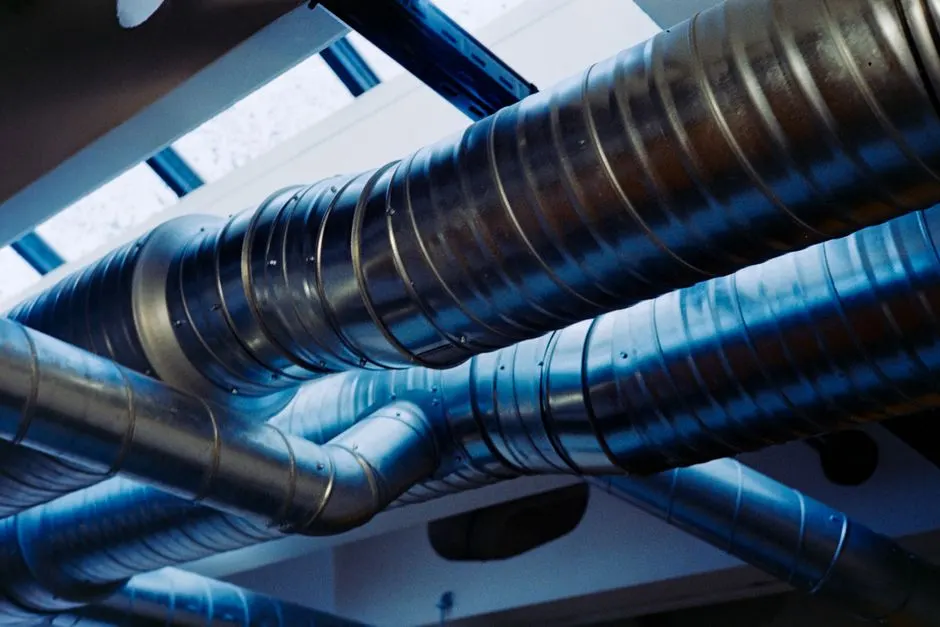
Room-by-Room Airflow Test
We measure CFM at every supply and return register using a calibrated flow hood. You get a printed map showing which rooms are starved and which are over-supplied.
Our standard balancing service covers the diagnostic, the sealing, and the verification. If we find a problem that requires a larger repair, we quote it separately before we start.
We measure CFM at every supply and return register using a calibrated flow hood. You get a printed map showing which rooms are starved and which are over-supplied.
We read static pressure at the air handler and compare it to the manufacturer's rated maximum. High static pressure is the single best indicator of duct problems.
We seal accessible leaks with mastic and mesh, focusing on joints, boots, and plenum connections. This is where most of your conditioned air is escaping.
We adjust existing volume dampers and install new ones where needed to redirect airflow to the rooms that need it. This is the step that evens out temperatures.
After balancing, we re-measure every register and give you a before-and-after report. You see exactly how much airflow improved in each room.
Heat Pump Ductwork and Airflow Balancing McLean VA is the work of sealing, resizing, and rebalancing the duct system that carries conditioned air from your heat pump to every room. It covers duct leakage testing, static pressure measurement, damper adjustment, register sizing, and return-air corrections. When a heat pump ductwork repair is done correctly, the equipment moves the same amount of air with less resistance, which means lower compressor strain and rooms that actually hit the thermostat setpoint.
In McLean, most airflow problems come from duct systems that were sized for older equipment and then patched over the years. Add a finished basement, a bonus room over the garage, or a heat pump replacement without a duct evaluation, and the imbalance gets worse. If your heat pump ductwork is not working in McLean, the symptom is usually a room that never gets comfortable no matter what you do to the thermostat. We fix the duct side first, because no amount of refrigerant or control board work will overcome a choked or leaky duct system.
Every job follows the same five steps, whether it is a single-zone repair or a full duct redesign. You get measurements, not guesses, and you get them before we start cutting anything.
Schedule
Call or book online — a real human picks up and confirms a 2-hour arrival window.
Diagnose
Licensed tech inspects on-site, then walks you through the cause and your options.
Fix
The job is completed to code and done right the first time — no shortcuts, no surprises.
Guarantee
Every job backed by a written workmanship warranty — and we stand behind it.
Duct pressure gauge
Measures static pressure at the air handler and across the coil. High readings tell us the duct system is restricting airflow.
Flow hood
Measures cubic feet per minute at each register. We use it to map airflow room by room before and after balancing.
Duct blaster
Pressurizes the duct system to measure total leakage. This tells us how much conditioned air is escaping before we seal.
Clamp meter
Reads blower motor amp draw to confirm the motor is performing to nameplate specs and not failing.
Borescope
Lets us see inside duct runs without cutting large access holes. We use it to find crushed flex and disconnected joints.
Manifold gauge set
Checks refrigerant pressures when airflow problems have caused coil or charge issues.
Static pressure testing
We compare measured static pressure to the heat pump manufacturer's rated maximum, usually 0.5 in. w.c. for standard systems. Readings above that indicate duct restriction, undersized returns, or a dirty coil. This is the first test we run on every airflow call.
Room-by-room airflow mapping
We measure CFM at every supply and return register and compare each room to its design target. Rooms more than 10 percent below target get flagged for correction. This method removes guesswork from balancing.
Duct leakage testing
Using a duct blaster, we pressurize the duct system and measure total leakage in CFM. Leakage above 10 percent of system airflow is worth sealing. We document the reduction after sealing.
Damper balancing
We adjust volume dampers to redirect airflow from over-supplied rooms to starved ones. Where no damper exists, we install one. We re-measure after each adjustment until the system is balanced.
01
What we do: New equipment moves the same air through the same ducts. We evaluate static pressure and airflow to see if the duct system is holding the new heat pump back. Often a few targeted repairs and a rebalance make the new system perform the way it should.
→ The new heat pump runs shorter cycles, and the rooms that were always uncomfortable finally hold temperature.
02
What we do: Adding conditioned space changes the airflow balance. We measure the new load on the duct system and adjust dampers or add capacity where needed. We also check that the return air path is adequate for the added space.
→ Both the original rooms and the new space get the airflow they need, without starving either one.
03
What we do: We test duct leakage and static pressure. In older McLean homes, duct leakage of 20 to 30 percent is common. Sealing and balancing reduces the run time needed to satisfy the thermostat.
→ Typical savings after balancing run 10 to 20 percent on heating and cooling usage, and the house feels more consistent.
04
What we do: We provide a documented airflow report showing the before-and-after measurements. That gives buyers and their agents confidence that the HVAC system has been evaluated and corrected.
→ The report becomes part of your disclosure package, and the system passes a buyer's inspection without last-minute repairs.
McLean sits in Fairfax County, where summers are humid and winters swing between mild and hard freezes. That climate puts heat pump ductwork through both cooling and heating duty, and duct systems here take a beating. Many homes in McLean were built in the 1960s through the 1980s with ductwork that was sized for older, less efficient equipment. When a modern heat pump is installed without evaluating the ducts, static pressure climbs and airflow drops. We also see a lot of finished basements and bonus rooms added over the years, which changes the airflow balance. If your heat pump ductwork is not working in McLean, the cause is often a combination of leakage and undersizing. We test the system, seal what we can reach, and rebalance the dampers. For homes in 22101 and 22102, attic duct runs are common and often crushed or disconnected. In 22046 and 22043, we see more basement and crawlspace ductwork with different leakage patterns. We handle both. If you are searching for heating and cooling airflow balancing McLean, we can usually schedule a diagnostic within a day.
Langley Forest
Larger homes with multiple zones and long duct runs. Balancing here often means adjusting zone dampers and verifying each zone gets its share of airflow.
Chesterbrook
Many homes have attic ductwork that suffers from heat gain in summer. Sealing attic runs and adding insulation makes a measurable difference.
Downtown McLean
Older homes with original ductwork and limited access. We use borescopes to inspect runs without tearing into finished ceilings.
West McLean
A mix of renovations and additions. We frequently find that a new room was tied into the existing duct system without rebalancing.
Humid summers with high cooling demand
Duct leakage in attic runs pulls humid air into the system, making the heat pump work harder and reducing comfort. Sealing those runs is a priority.
Freeze-thaw winters
Heat pumps run in heating mode for months. Duct leakage in unconditioned spaces wastes heat and raises bills. Balancing reduces run time.
Older housing stock with undersized returns
Many McLean homes have a single return that cannot handle modern airflow requirements. Adding a return often solves high static pressure.
Most of the calls we run start with a comfort complaint, not a broken part. Here are the duct problems we see most often in McLean and how we solve them.
Problem
You run the thermostat lower to compensate, which raises your electric bill and wears out the compressor. The upstairs stays uncomfortable no matter what.
Our Fix
We measure airflow at each upstairs register and check the return path. Often the fix is sealing leaks in the attic duct runs and adjusting dampers to push more air upstairs. We verify the result with a before-and-after airflow reading.
Problem
Long run times mean higher bills and a shorter equipment life. The heat pump is working against a duct system that is losing or choking air.
Our Fix
We test static pressure and duct leakage. If the system is losing 25 percent of its air, sealing and balancing can cut run time significantly. We document the improvement so you can see the difference.
Problem
Noise usually means high velocity through undersized ducts or a partially closed damper. It is annoying, and it signals the system is working harder than it should.
Our Fix
We locate the restriction with a duct pressure gauge and borescope, then resize or repair the run. Balancing the system reduces velocity and quiets the vents.
Problem
Temperature swings of 5 degrees or more make parts of your home unusable. You end up closing vents, which makes the imbalance worse.
Our Fix
We map airflow room by room, then adjust dampers and seal leaks to even out the distribution. Most homes end up within 2 to 3 degrees from room to room.
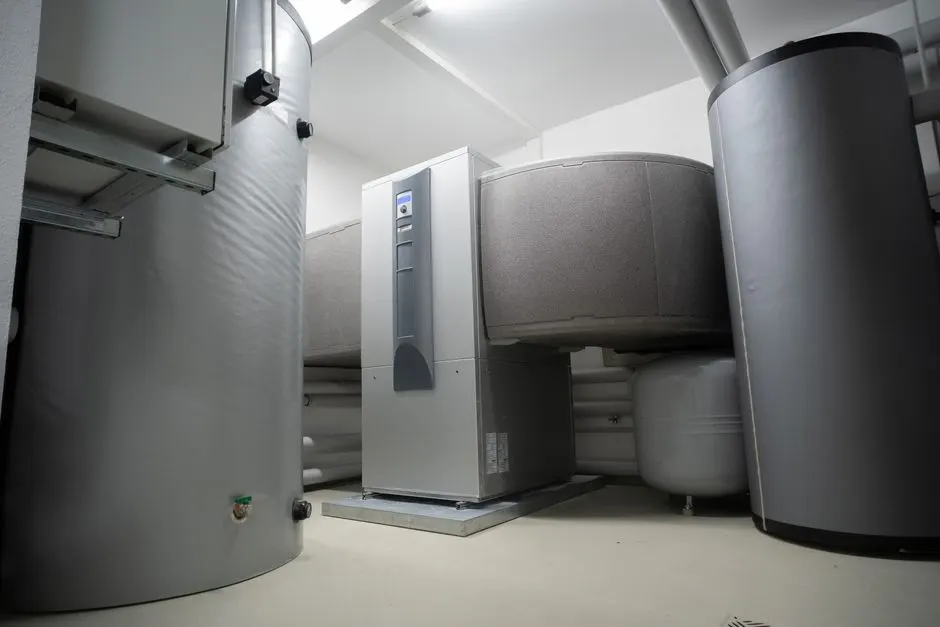
Airflow balancing is not a tune-up gimmick. It changes how your heat pump performs every day, in every season, and it shows up on your utility bill.
Even Room Temperatures
We target a 2 to 3 degree spread between the warmest and coolest rooms on a single zone. That means no more closing vents in the guest room or running a space heater in the upstairs office. You set one temperature and the whole house follows.
Lower Compressor Strain
A heat pump pushing against high static pressure runs longer cycles and hotter discharge temperatures. Balancing the ductwork drops that resistance, which cuts compressor load and extends equipment life. On a 3-ton system, we often see static pressure fall from 0.9 in. w.c. to under 0.5 in. w.c.
Fewer Hot and Cold Calls
Most no-heat and no-cool calls we run in McLean trace back to airflow, not the heat pump itself. When the duct system is balanced, the equipment sees the airflow it was designed for and stops tripping high-pressure limits or freezing the coil. That is one less emergency call in January.
Measurable Energy Savings
Duct leakage in older McLean homes commonly runs 20 to 30 percent of total airflow. Sealing and balancing that system reduces the run time your heat pump needs to satisfy the thermostat. Customers typically see a 10 to 20 percent drop in heating and cooling usage after the work is verified.
Pricing for Heat Pump Ductwork and Airflow Balancing in McLean depends on how much ductwork is accessible, how many leaks we find, and whether we need to add returns or dampers. Typical 2026 pricing for a diagnostic and basic balancing runs $350 to $850. More extensive repairs, like adding a return or replacing crushed duct runs, can push the total to $1,800 or more. We quote by scope after the diagnostic, and the diagnostic fee credits toward the work if you move forward.
Typical Investment Range
$350 - $1,800 depending on scope
Balancing your ductwork reduces run time, lowers energy bills, and extends the life of your heat pump. Most customers see a 10 to 20 percent reduction in heating and cooling usage, which often offsets the cost within a few seasons.
What changes the price
Accessibility of ductwork
Ductwork in an open attic or basement is faster to seal and repair. Ducts buried behind finished walls or ceilings require more labor and sometimes drywall repair, which raises the cost.
Number of leaks found
A system with a few accessible leaks is a smaller job than one with leakage at every joint. We measure leakage before and after so you see the reduction you paid for.
Need for new returns or dampers
Adding a return air path or installing new volume dampers increases the scope. These are often necessary to fix high static pressure or severe room-to-room imbalance.
Duct condition
Crushed or disconnected flex duct must be replaced, not just sealed. If the duct runs are deteriorated, replacement adds material and labor cost.
System size and zones
Larger homes with multiple zones take longer to measure and balance. Each zone needs its own airflow verification, which adds time to the job.
Google ★★★★★4.9
They measured airflow at every vent and showed me the numbers. Found crushed ductwork in the attic that two other companies missed. The house is finally comfortable.
Yelp ★★★★★4.8
Same-day service on a Friday. The technician explained the static pressure reading and how it related to my heat pump tripping. Fixed the return and the problem stopped.
BBB A+
Professional from start to finish. They sealed leaks we did not know we had and rebalanced the system. Our upstairs is now the same temperature as downstairs.
Our technicians hold NATE certification and EPA Section 608 certification, and we work under a Virginia HVAC contractor license with Fairfax County permits pulled for any duct modification that requires one. We carry AHRI-certified matching equipment knowledge into every balancing job, so the duct side and the heat pump side are evaluated together. We have balanced systems in older McLean homes with original 1970s ductwork and in new construction where the duct design was never commissioned. We use the same diagnostic sequence on a $400 repair and a $4,000 duct redesign.
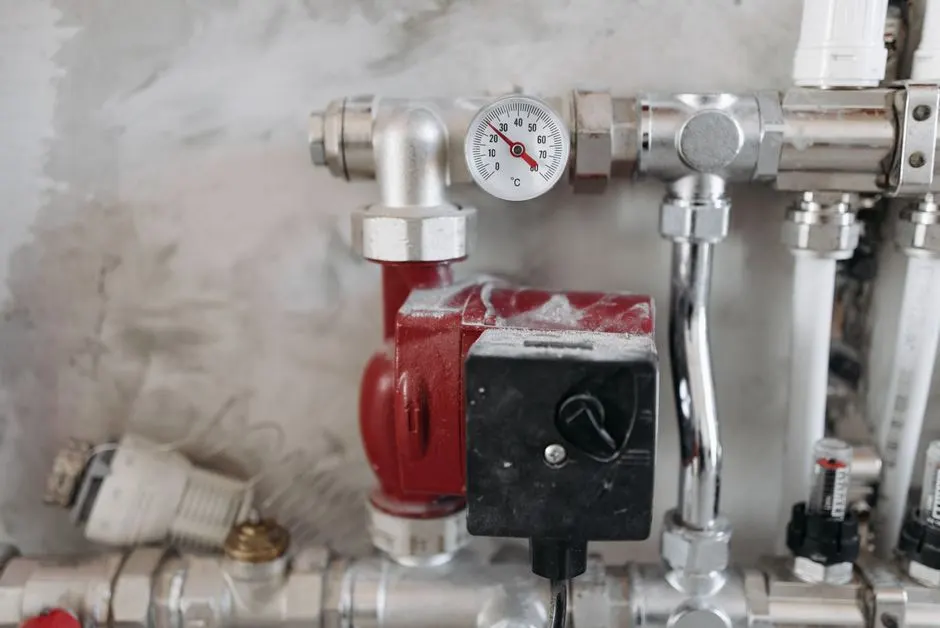
Real experiences from customers who chose our Heat Pump Ductwork and Airflow Balancing services.
“Our upstairs bedrooms were always 5 degrees warmer than the main floor. The technician measured airflow at every vent and found two crushed flex runs in the attic. He replaced them, sealed the leaks, and rebalanced the dampers. Now the whole house holds within 2 degrees. The before-and-after report was a nice touch.”
Karen M.
Homeowner, Chesterbrook
“We had a heat pump that kept tripping on high pressure. Two other companies told us we needed a new compressor. McLean Heat Pump Pro Masters checked the duct static pressure first and found the return was undersized. They added a return and the problem went away. Saved us thousands.”
David R.
Homeowner, Langley Forest
“I called about low airflow in the back bedroom. They came out the same day, tested everything, and showed me the numbers. The fix was a clogged filter and a damper that was mostly closed. They adjusted it and did not charge me for a big repair. Honest work.”
Priya S.
Homeowner, Downtown McLean
Real answers to the questions we hear most often from local homeowners and property managers.
When airflow is corrected but the heat pump still short-cycles or will not hold temperature, the problem moves to the equipment side. We diagnose reversing valves, compressors, and control boards on the same visit.
View Heat Pump RepairA new heat pump needs a duct system that can move its rated CFM. We evaluate static pressure and duct sizing before installation so the new equipment is not fighting the old ductwork from day one.
View Heat Pump InstallationAnnual maintenance includes a filter check, blower amp draw, and a static pressure reading. Catching a rising static pressure early often prevents a full duct repair later.
View Heat Pump MaintenanceIf a duct has collapsed or disconnected and your heat pump is tripping on high pressure, we treat it as an emergency. We carry common repair materials to handle these calls after hours.
View Emergency Heat Pump RepairA heat pump that runs but does not heat is often airflow-starved. We check the duct system first, because restricted airflow can mimic a refrigerant or reversing valve failure.
View Heat Pump Not HeatingLow airflow in cooling mode leads to a frozen coil and no cooling. We measure duct static pressure and register CFM before assuming the refrigerant charge is the issue.
View Heat Pump Not CoolingCall us any time at (571) 760-4593 for heat pump repair in McLean, Virginia. We answer live 24/7, book same-day appointments, and dispatch emergency calls across Fairfax County. You can also email info@mcleanheatpumppromasters.com or stop by the shop during regular hours.
Phone
(571) 760-4593Address
7321 Hooking Rd, McLean, VA 22101
Hours
Mon–Fri: 7AM – 7PM
Sat: 8AM – 4PM
Sun: Emergency Only
24/7 Emergency Available