
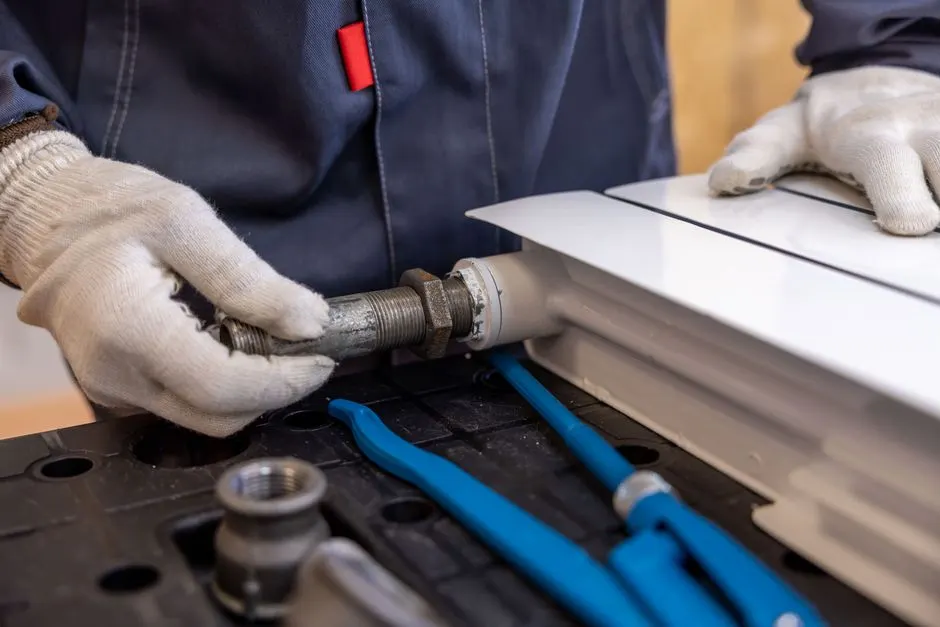
Loop Pressure and Flow Test
We read pressure at the flow center and confirm the circulator moves the rated gallons per minute. Low flow makes the compressor run hot and long, which is the number one hidden efficiency killer on geothermal systems.
Our standard geothermal maintenance visit covers the full system from loop to thermostat. Anything beyond the checklist, like a compressor replacement or a loop repair, gets quoted separately before we start.
We read pressure at the flow center and confirm the circulator moves the rated gallons per minute. Low flow makes the compressor run hot and long, which is the number one hidden efficiency killer on geothermal systems.
Using a manifold gauge set, we compare system pressures to the data plate spec and top off R-410A or R-32 if needed. We also run an electronic leak detector around the service valves and line set.
The indoor coil gets washed with a coil cleaning pump and the fins are straightened with a fin comb. A coil that is even 20 percent blocked cuts capacity and forces longer run times.
We test the capacitor and contactor under load with a clamp meter, check the blower motor and fan motor amp draw, and inspect the control board for burnt terminals or loose connections.
We calibrate the thermostat, verify the reversing valve shifts cleanly in both modes, and test the defrost control board. A thermostat that reads 3 degrees off will run auxiliary heat all winter without you noticing.
We check static pressure with a duct pressure gauge, replace the air filter, and flush the condensate drain line. Poor airflow and a clogged drain are the two most common causes of a frozen coil or a water leak.
Geothermal Heat Pump Maintenance McLean VA is scheduled service that cleans, tests, and recalibrates every part of a ground-source heat pump so it moves heat the way the manufacturer designed. We check loop pressure and antifreeze concentration, flush the flow center, pull and wash the air coil, verify refrigerant charge with a manifold gauge set, and test the capacitor, contactor, and reversing valve. A geothermal system runs year-round, so the compressor and blower motor accumulate more runtime hours than an air source unit.
Homeowners in McLean call us most often in October and November, right before the heating season starts. Geothermal loops sit deep enough to avoid frost, but the indoor side still takes a beating: clogged filters, a weak capacitor, or a stuck reversing valve will drag your system into auxiliary heat and spike the electric bill. If you are searching for geothermal heat pump service near me McLean, book the fall tune-up before the first hard freeze.
A standard geothermal maintenance visit runs 90 to 150 minutes for a single-zone system. Here is the sequence our technicians follow, start to finish.
Schedule
Call or book online — a real human picks up and confirms a 2-hour arrival window.
Diagnose
Licensed tech inspects on-site, then walks you through the cause and your options.
Fix
The job is completed to code and done right the first time — no shortcuts, no surprises.
Guarantee
Every job backed by a written workmanship warranty — and we stand behind it.
Manifold gauge set
Reads high and low side refrigerant pressures so we can verify charge against the data plate spec on R-410A and R-32 systems.
Vacuum pump and recovery machine
Pulls a deep vacuum after any line repair and recovers refrigerant safely before we open the circuit.
Clamp meter and multimeter
Tests capacitor and contactor performance under load and checks incoming voltage at the control board.
Coil cleaning pump and fin comb
Washes the indoor coil and straightens bent fins, restoring airflow and heat transfer capacity.
Duct pressure gauge
Measures static pressure so we can catch airflow imbalance before it freezes a coil or overheats the compressor.
Electronic leak detector
Finds refrigerant leaks at service valves, line sets, and coil joints that a pressure test alone will miss.
Thermostat calibration tool
Verifies thermostat accuracy against a reference reading so auxiliary heat does not run when it should not.
AHRI-certified charge verification
We compare superheat and subcooling readings to the manufacturer spec rather than guessing by pressure alone. This is the standard that keeps a geothermal compressor running at rated efficiency.
NATE-certified diagnostics
Our technicians follow NATE testing protocols for electrical components and refrigerant circuits, which means the diagnosis is based on measured values, not guesswork.
EPA Section 608 refrigerant handling
Every refrigerant recovery, recharge, and line repair follows EPA Section 608 rules. That protects you legally and keeps the system charge accurate.
Energy Star commissioning checks
On new and recently serviced systems, we run Energy Star-aligned checks on airflow, charge, and thermostat settings to confirm the unit performs to its rated efficiency.
01
What we do: We run a full baseline tune-up: loop pressure, charge verification, coil cleaning, and electrical testing. You get a written report showing the condition of every major component.
→ You know exactly what you own, what is healthy, and what will need attention in the next year.
02
What we do: We check the two biggest efficiency drains on a geothermal system: loop flow and refrigerant charge. We also clean the indoor coil and verify the thermostat is not stuck calling for auxiliary heat.
→ Most customers see the compressor run shorter cycles and the auxiliary heat strip engage far less often.
03
What we do: We test the capacitor, contactor, blower motor, and fan motor under load, because those parts fail first on aging geothermal units. We also check the reversing valve and defrost control board.
→ You catch the weak parts before they fail in January and avoid an emergency no-heat call.
04
What we do: We perform a documented tune-up with refrigerant pressures, amp draws, and loop readings, then provide a dated report you can hand to the buyer.
→ The inspection objection gets resolved with paperwork instead of a price concession.
McLean sits in Fairfax County, where winters swing between mild stretches and single-digit cold snaps. Geothermal loops stay below the frost line, so the ground side is stable, but the indoor side works hard. Most homes here have a single flow center feeding one or two zones, and the air handler is often tucked in a basement or crawlspace where humidity and dust build up. We see a lot of clogged condensate drain lines after humid summers, and weak capacitors are common on units that have run six or seven seasons. If you are looking for affordable geothermal heat pump maintenance McLean VA, book the fall visit before the first freeze. We pull Fairfax County permits for any equipment change and follow Virginia HVAC contractor license requirements on every job. ZIP codes 22101, 22102, and 22046 make up most of our route.
Langley Forest
Larger lots mean longer loop fields and more line to inspect. We check loop pressure at the flow center and look for any settling around the manifold.
Chesterbrook
Many homes here have original geothermal systems from the 2000s. Capacitors and contactors are the first parts to fail, so we test both under load.
Downtown McLean
Tighter lots and finished basements make the air handler harder to reach. We plan for extra time to access the coil and drain pan.
West McLean
Crawlspace installations are common, and humidity there accelerates corrosion on the control board and blower motor. We inspect both closely.
Humid summers that clog condensate drains
Drain lines grow biological film fast in McLean. We flush every line during the fall tune-up and recommend a secondary float switch on systems that have clogged before.
Single-digit cold snaps in January and February
Cold snaps push the auxiliary heat strip into heavy use. We verify the thermostat is calibrated and the reversing valve shifts cleanly so the system does not lean on resistance heat.
Older geothermal systems still on R-410A
R-410A is being phased down, so parts and refrigerant cost more each year. We check for leaks early and keep the charge on spec to extend the life of the unit.
Most geothermal failures start small in the fall and turn into no-heat calls in January. These are the issues we catch during a routine tune-up.
Problem
Electric resistance heat costs two to three times more per hour than the compressor. A month of constant auxiliary heat can add $150 or more to your bill.
Our Fix
We check loop flow, verify refrigerant charge, and test the reversing valve. In most cases the problem is a dirty coil or a charge that is 10 percent low, both of which we correct on the same visit.
Problem
Short cycling wears out the compressor and the contactor at the same time. Left alone, it usually ends in a compressor replacement that runs into four figures.
Our Fix
We test the capacitor and contactor under load with a clamp meter. A weak capacitor is the most common cause, and we stock the ratings for Carrier, Trane, and Lennox units on the truck.
Problem
A clogged condensate drain line overflows the pan, and the water can damage drywall, flooring, and the control board. It also trips the float switch and shuts the system down.
Our Fix
We flush the drain line, check the pan slope, and test the float switch. If the line has been clogging repeatedly, we install a secondary float and clean the trap.
Problem
A thermostat that is 3 degrees off makes the system run longer than needed and can keep auxiliary heat engaged when it should not be.
Our Fix
We calibrate the thermostat with a thermostat calibration tool. If it will not hold calibration, we replace it with a compatible model and verify the new one against a reference thermometer.
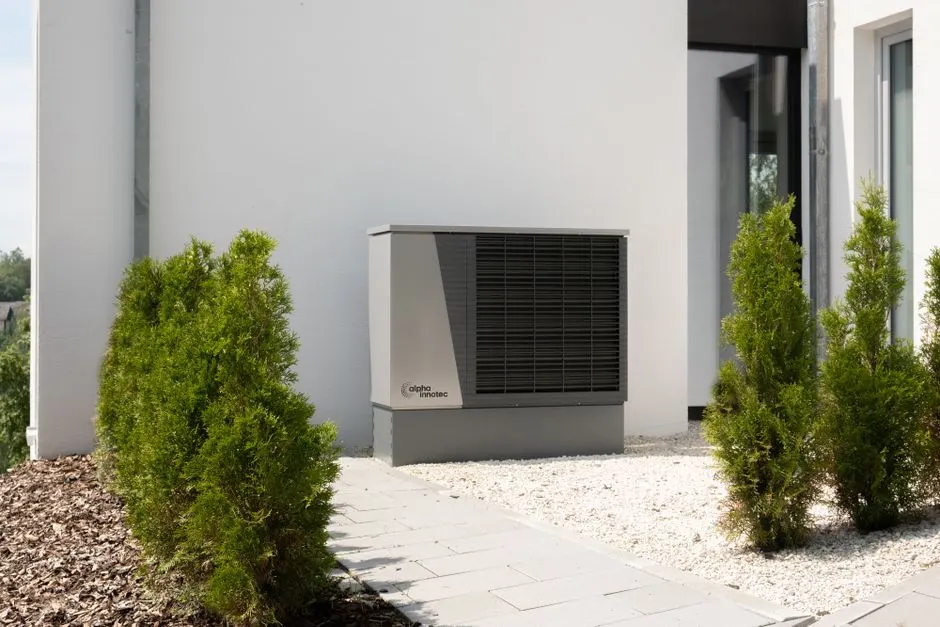
A geothermal heat pump costs more to install than a standard unit, and it rewards steady maintenance with lower bills and a longer service life. Here is what a proper tune-up delivers.
Lower Winter Electric Bills
A dirty coil and a low refrigerant charge force the compressor to run longer for the same heat. Cleaning the coil and verifying charge with R-410A or R-32 restores rated capacity, which typically trims 8 to 15 percent off heating-season usage.
Fewer Emergency Breakdowns
Most no-heat calls we run in January trace back to a capacitor, contactor, or blower motor that was already weak in October. Testing those parts during a geothermal heat pump tune-up in McLean VA catches the failure weeks before it strands you.
Longer Compressor Life
The compressor is the most expensive part of a geothermal system. Keeping loop flow correct and refrigerant charge on spec removes the two biggest causes of compressor failure, and that can add years to a unit that should last 20 or more.
Protected Warranty Coverage
Carrier, Trane, Lennox, Mitsubishi Electric, and Daikin all require documented annual service to honor parts warranties. We log every reading, torque check, and cleaning step so your paperwork holds up if a compressor or control board fails.
Typical 2026 pricing for a geothermal heat pump tune-up in McLean runs $180 to $420 for a single-zone system, and $260 to $520 for two or more zones. The price depends on how accessible the flow center and air handler are, how many zones you have, and whether the system needs refrigerant added. Repairs found during the visit are quoted separately before we start. A service plan that bundles the fall and spring visits costs less than booking them individually.
Typical Investment Range
$180 - $520 depending on zones and scope
A tune-up costs a fraction of one emergency no-heat call, and it is the cheapest way to protect a compressor that runs into four figures to replace. Most customers earn the visit back in lower winter electric bills.
What changes the price
Number of zones
Each additional zone adds a thermostat, damper, and sometimes a second air handler to check. A two-zone system takes roughly 45 minutes longer than a single-zone unit.
Access to the flow center
A flow center in an open basement is quick to service. One tucked behind finished drywall or in a tight crawlspace adds labor time to the visit.
Refrigerant top-off
If the charge is low, we add R-410A or R-32 at cost plus labor. A system that needs refrigerant every year has a leak, and we quote the leak repair separately.
Parts replacement
A weak capacitor or contactor is a same-day repair with a flat price. Larger parts like a blower motor or control board cost more and may need to be ordered.
Service plan vs single visit
A plan covers two visits a year plus priority scheduling. It costs less than two individual tune-ups and gets you to the front of the line during a cold snap.
Google ★★★★★4.9
Booked a geothermal tune-up before winter and they found a weak capacitor before it failed. Cleaned the coil, checked the loop, and gave me a written report. Fair price and no upsell.
Yelp ★★★★★4.8
Our system was running auxiliary heat constantly. They diagnosed a low charge and a dirty coil, fixed both in one visit, and our January bill dropped noticeably.
BBB ★★★★★4.9
Honest diagnosis on a 12-year-old geothermal unit. Another company said replace it. These guys found a bad contactor and fixed it for a fraction of the cost.
Our technicians hold NATE certification and EPA Section 608 certification, and we work under a Virginia HVAC contractor license with Fairfax County permits pulled for any loop or equipment change-out. We service Carrier, Trane, Lennox, Mitsubishi Electric, Daikin, Bosch, Goodman, Rheem, American Standard, and Bryant geothermal and water-source systems. Every job follows OSHA safety compliance and AHRI certification standards for charge and airflow verification.
Real experiences from customers who chose our Geothermal Heat Pump Maintenance services.
“Our geothermal system was running auxiliary heat constantly last winter. The technician found the indoor coil was filthy and the charge was low. After the tune-up, the aux heat barely kicks on and our January bill dropped about $90 compared to the year before.”
Karen M.
Homeowner, Downtown McLean
“They showed up on time, walked me through every reading, and did not try to sell me anything I did not need. The capacitor was weak so they replaced it on the spot. Two months later the system is still running quiet.”
David R.
Homeowner, Langley Forest
“We have a 12-year-old Carrier geothermal unit and were told by another company it needed replacing. These guys tested the compressor, found a bad contactor, and fixed it for a fraction of the cost. Honest work.”
Priya S.
Homeowner, Chesterbrook
Real answers to the questions we hear most often from local homeowners and property managers.
When a tune-up uncovers a failed capacitor, contactor, or blower motor, we repair it on the same visit. McLean homeowners get flat-rate repair pricing and stocked parts for Carrier, Trane, and Lennox equipment.
View Heat Pump RepairReplacing a geothermal unit means matching the new compressor to your existing loop and flow center. We size the equipment, pull the Fairfax County permit, and commission the system to AHRI airflow standards.
View Heat Pump InstallationOur general heat pump maintenance plan covers air source and geothermal systems alike. It includes two visits a year, filter changes, coil cleaning, and priority scheduling when something fails in the middle of a cold snap.
View Heat Pump MaintenanceNo heat at 2 a.m. in January is an emergency. We dispatch around the clock for McLean customers, and our trucks carry the reversing valves, control boards, and fan motors that cause most winter breakdowns.
View Emergency Heat Pump RepairA geothermal unit that blows cool air in heat mode usually has a stuck reversing valve or a failed defrost control board. We diagnose both with a multimeter and manifold gauge set before recommending any part.
View Heat Pump Not HeatingSummer failures often trace to a dirty coil or low refrigerant charge. Our tune-up catches both early, and if the compressor is short-cycling we test the capacitor and contactor under load.
View Heat Pump Not CoolingCall us any time at (571) 760-4593 for heat pump repair in McLean, Virginia. We answer live 24/7, book same-day appointments, and dispatch emergency calls across Fairfax County. You can also email info@mcleanheatpumppromasters.com or stop by the shop during regular hours.
Phone
(571) 760-4593Address
7321 Hooking Rd, McLean, VA 22101
Hours
Mon–Fri: 7AM – 7PM
Sat: 8AM – 4PM
Sun: Emergency Only
24/7 Emergency Available